Frankie Vogel · 17 October 2026
European Policy Shifts Prompt Startups to Revise Asset Reporting Standards
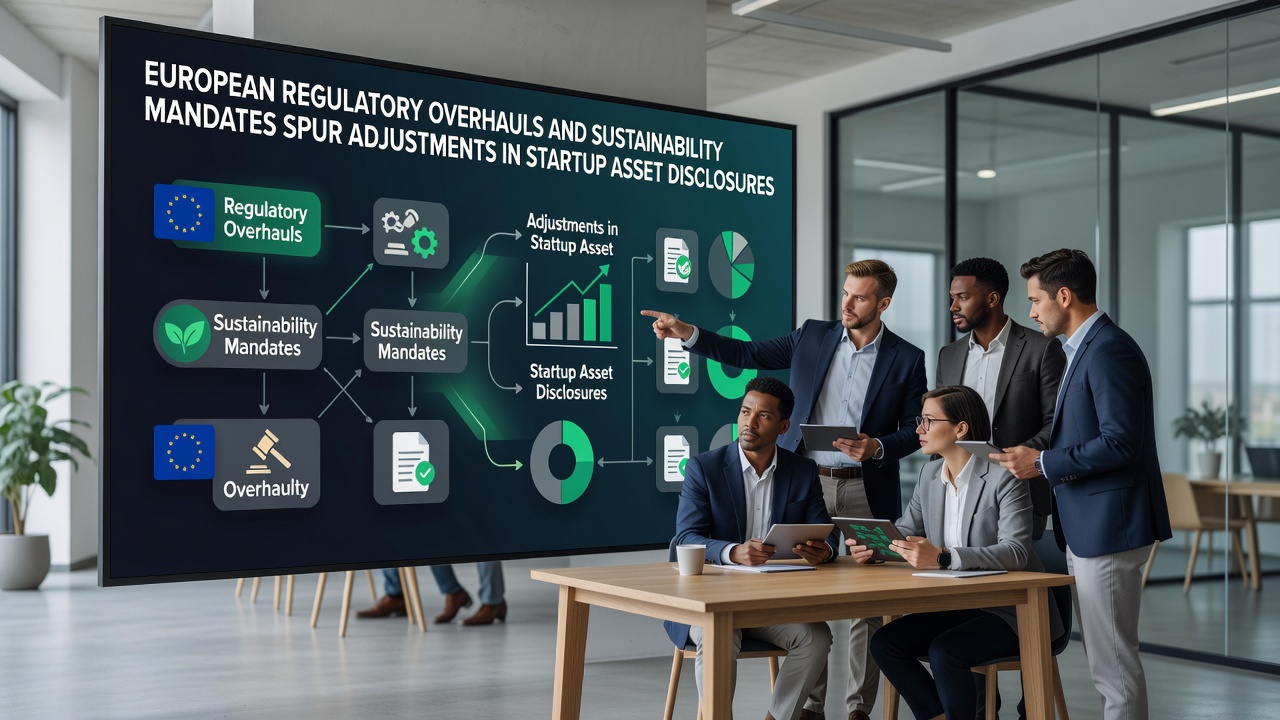
European authorities have rolled out multiple regulatory frameworks that require startups to expand their asset disclosure practices, and companies across the region now integrate sustainability metrics directly into financial statements. The Corporate Sustainability Reporting Directive along with the EU Taxonomy Regulation establish specific criteria for classifying economic activities, which forces early-stage firms to track and report environmental performance data that previously stayed outside standard balance sheets.
Core Regulatory Frameworks Driving Change
Data from the European Commission shows the CSRD expands reporting obligations to a wider set of companies beginning in 2025, while additional implementation phases extend through October 2026 for smaller entities and subsidiaries. Startups must now disclose how their assets align with taxonomy thresholds for climate mitigation and adaptation, which includes detailed breakdowns of revenue streams tied to sustainable activities. Researchers at the University of Cambridge Institute for Sustainability Leadership documented that firms adopting these standards early reduced discrepancies between financial and non-financial reporting by measurable margins in pilot programs.
Observers note that the Sustainable Finance Disclosure Regulation adds another layer, requiring investment funds and portfolio companies to publish principal adverse impact statements. This rule affects startups seeking capital from European venture vehicles, since limited partners now demand granular data on carbon footprints and resource use before committing funds. One analysis from the OECD revealed that cross-border deals involving European targets incorporated sustainability clauses in 42 percent of term sheets reviewed during the first half of 2026.
Adjustments in Startup Valuation and Disclosure Practices
Valuation models have evolved to incorporate these mandates, and appraisers now assign explicit line items for sustainability-linked intangibles such as carbon credits and green technology patents. Startups adjust their asset registers to separate conventional holdings from those meeting taxonomy criteria, which creates clearer audit trails during due diligence processes. According to figures released by the European Securities and Markets Authority, the volume of restated financials among growth-stage companies rose 18 percent year-over-year as firms aligned disclosures with the new templates.

Take one software startup that operates data centers across multiple member states, for instance. Its finance team reclassified server hardware and renewable energy contracts under separate asset categories to meet CSRD requirements, which allowed the company to demonstrate taxonomy alignment when presenting to international investors. Similar patterns appear in logistics and clean-tech sectors where physical assets carry direct environmental scores that influence reported values.
Implementation Timelines and Regional Variations
Implementation schedules differ by company size and sector, yet the October 2026 milestone marks a key checkpoint for medium-sized enterprises that previously operated under lighter touch regimes. National competent authorities in Germany, France, and the Netherlands have issued supplementary guidance that clarifies how startups should quantify Scope 3 emissions linked to their supply chains. Those who've studied the rollout observe that consistent application across jurisdictions reduces compliance friction for companies operating in multiple markets.
Industry reports indicate venture capital firms have updated their portfolio monitoring tools to capture these metrics automatically, which streamlines quarterly reporting cycles. A joint study conducted by researchers at Erasmus University Rotterdam and the Australian National University found that startups providing integrated reports experienced shorter fundraising timelines compared with peers using separate financial and sustainability documents.
Practical Steps for Compliance
Startups typically begin by mapping existing assets against the six environmental objectives outlined in the Taxonomy Regulation, then collect supporting evidence such as energy consumption records and supplier certifications. Software platforms designed for regulatory reporting have gained traction because they automate data aggregation from accounting systems and operational dashboards. Professional service providers report increased demand for training sessions that explain how to translate technical sustainability data into auditable financial disclosures.
External verification requirements under the CSRD mean many companies now engage assurance providers earlier in the reporting cycle, which adds another checkpoint before public filings. Data shows that entities completing limited assurance reviews ahead of the October 2026 deadline encountered fewer material restatements in subsequent periods.
Conclusion
European regulatory developments continue to integrate sustainability considerations into core financial reporting, and startups respond by expanding the scope of assets they track and disclose. Implementation milestones through October 2026 will test how effectively smaller firms adapt existing systems to meet expanded requirements. Those monitoring the process expect further refinements as national authorities publish additional guidance and as market participants share best practices across sectors.